What is the two-minute warning in American football?
When the clock hits two minutes in the second or fourth quarter of a football game, play stops automatically and a break is called. This is the two-minute warning, and it is one of the most distinctive features of American football. For new fans it can seem strange that the game pauses simply because two minutes are left on the clock. But the two-minute warning has a history, a purpose, and a real impact on how those final minutes play out.

Where it comes from
The two-minute warning is a holdover from the early days of professional football, when stadium clocks were not always reliable and game officials kept the official time on the field manually. The warning existed so that both teams knew exactly how much time was left when accurate timekeeping was not guaranteed. Modern stadiums have precise digital clocks visible to everyone, but the two-minute warning has remained as a fixture of the game, both as a tradition and as a strategic tool.
What actually happens
When the play clock hits two minutes, the referee stops the game regardless of what is happening on the field, as long as the ball is not in active play at that exact moment. Both teams get a break of around two minutes, similar to a charged timeout. Coaches use this time to review the situation, adjust their strategy, and communicate with their players. Crucially, neither team loses one of their three timeouts per half when the two-minute warning is called. It is a free stoppage that belongs to the game itself.
Why it matters strategically
The two-minute warning transforms the final two minutes of each half into their own distinct phase of the game. Both teams know exactly where they stand with the clock, both have had a moment to gather themselves, and every remaining second becomes precious. For the team that is losing, the two-minute warning is often the moment where a comeback attempt either begins or runs out of time entirely.
For the team that is winning and trying to run out the clock, the two-minute warning is a complication. It stops the clock at a moment when they would prefer it to keep running. This is why teams managing a lead in the final minutes are so careful about how they use their plays and timeouts before the warning hits.
The two-minute drill
The two-minute warning is closely associated with the two-minute drill, the fast-paced offensive strategy teams use when they need to score quickly with little time left. In a two-minute drill, the offense hurries to the line of scrimmage after each play, spikes the ball to stop the clock, or throws short passes out of bounds to save time. A quarterback who can run a two-minute drill efficiently under pressure is one of the most valuable players in the sport. Some of the most memorable moments in football history have come in the final two minutes of a game.
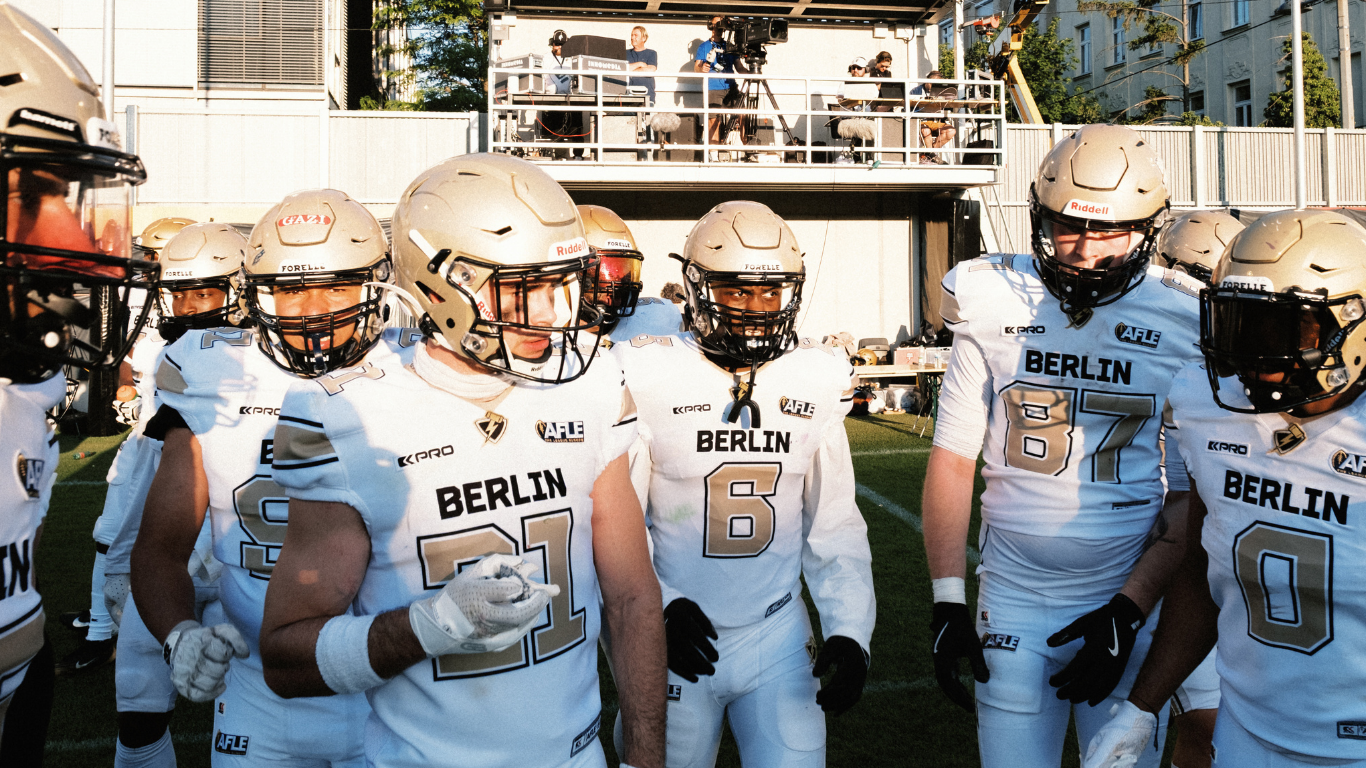
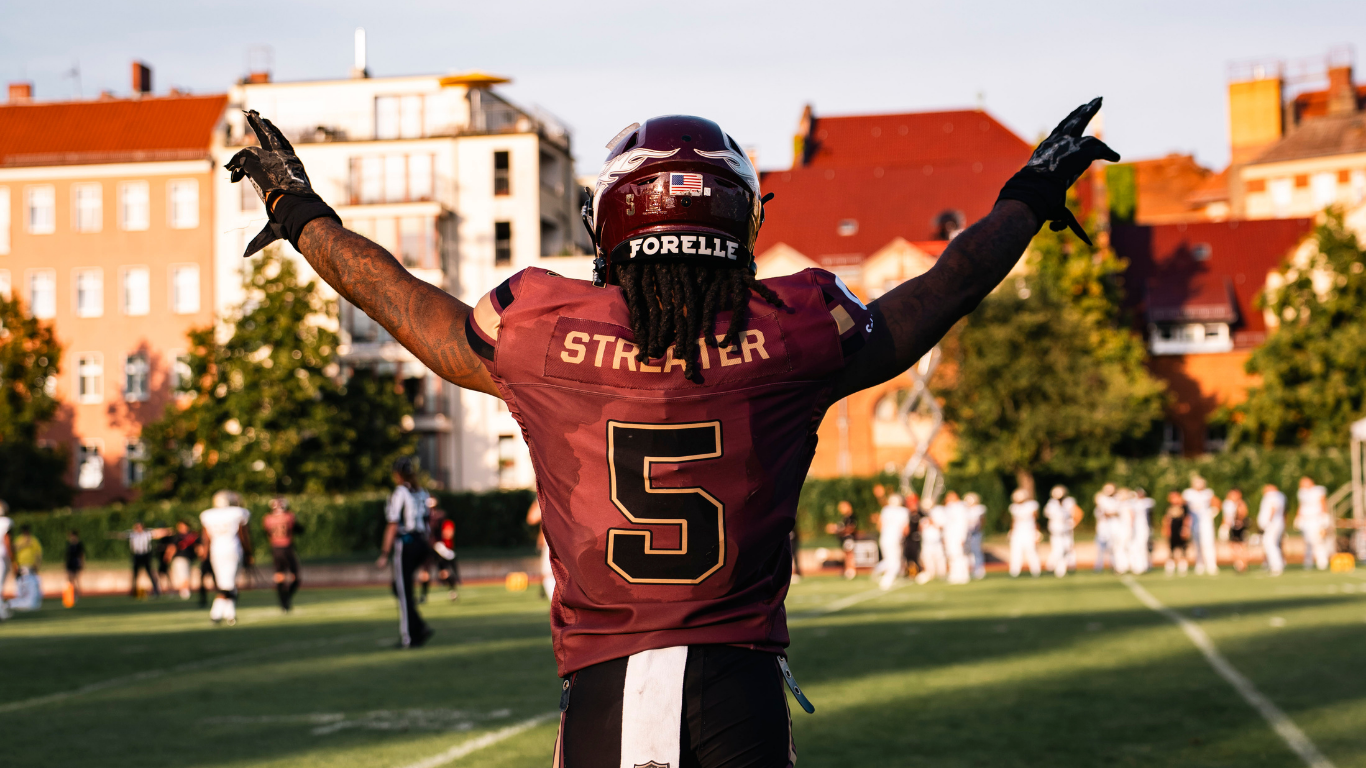
Feel the tension live with the AFLE
The American Football League Europe launches in 2026. Follow the AFLE and experience the pressure of those final two minutes as professional football comes to European cities for the first time.