How long is an American football game and what happens during a break?
If you sit down to watch your first American football game, one thing will probably catch you off guard: it takes a long time. Not because the game itself is slow, but because there seems to be a lot of stopping and starting. For fans of soccer or basketball, this can feel strange at first. But once you understand why the breaks happen and what they mean for the game, it starts to feel like a feature rather than a flaw.

The number that surprises most people
A professional American football game officially consists of 60 minutes of playing time. That sounds manageable. But in reality, a game takes around three hours from kickoff to the final whistle. Sometimes even longer.
The reason is simple: the clock stops a lot. In football, the game clock pauses after incomplete passes, when a player goes out of bounds, during timeouts, and after scores. Add in a halftime break and a series of commercial breaks during broadcasts, and those 60 minutes stretch out considerably.
Four quarters, one game
The game is split into four quarters of 15 minutes each. After the first and third quarters, there is a short break of a few minutes. After the second quarter comes halftime, which is the longest break in the game. Between quarters, teams switch ends of the field.
If the score is tied at the end of the fourth quarter, the game goes to overtime. In the NFL, overtime is a sudden death period where the first team to score wins. In other leagues the rules can vary slightly.
Why football has so many breaks compared to other sports
In soccer, the ball is in play for most of the 90 minutes. There are very few natural stoppages, and players are expected to keep going until the referee blows the whistle for halftime or full time. Basketball is similar, with a fast back-and-forth rhythm that only slows down for fouls, timeouts, or free throws.
Football works completely differently. Every single play lasts only a few seconds, and then the clock stops while both teams reset. Players walk back to the line of scrimmage, the offense huddles or signals in a new play, and then the next snap happens. This pattern repeats around 130 to 160 times per game.
This is not a flaw in the design. Those breaks are what allow football to be so strategic. Coaches can call plays between every snap. Quarterbacks can read the defense and adjust. Players can recover between bursts of maximum effort. The pauses are part of what makes football a chess match rather than just a test of stamina.
What a timeout is and why it matters
Each team gets three timeouts per half. A timeout stops the game clock completely and gives the team a chance to regroup. Coaches use them to talk to their players, change strategy, or stop the clock at a critical moment late in the game.
A well-timed timeout can completely change the outcome of a game. If a team is losing with one minute left and they still have their timeouts, they have a real chance to come back. If they have used all their timeouts early, that same situation feels much more desperate.
Halftime: more than just a rest
Halftime usually lasts around 12 to 15 minutes in a regular game, though in major events like the Super Bowl it can last much longer. For the players and coaches, it is the most important break of the game. The coaching staff reviews what the other team has been doing in the first half and adjusts the game plan for the second.
It is very common to see a team come out of halftime looking completely different. A defense that was being carved up in the first half might suddenly shut everything down. An offense that was struggling might start clicking after a few small adjustments. Halftime is where games are often won or lost behind the scenes.
Is all the waiting worth it?
For new fans, the pace of football can take some getting used to. But most people find that once they understand what is happening during those breaks, they stop feeling like interruptions. Instead, they become part of the rhythm of the game.
The tension builds between plays. You watch the quarterback survey the defense before the snap. You wonder whether the coach will call a timeout. You count down the seconds on the clock. That is what makes the final two minutes of a close football game some of the most exciting moments in all of sport.
Experience it live with the AFLE
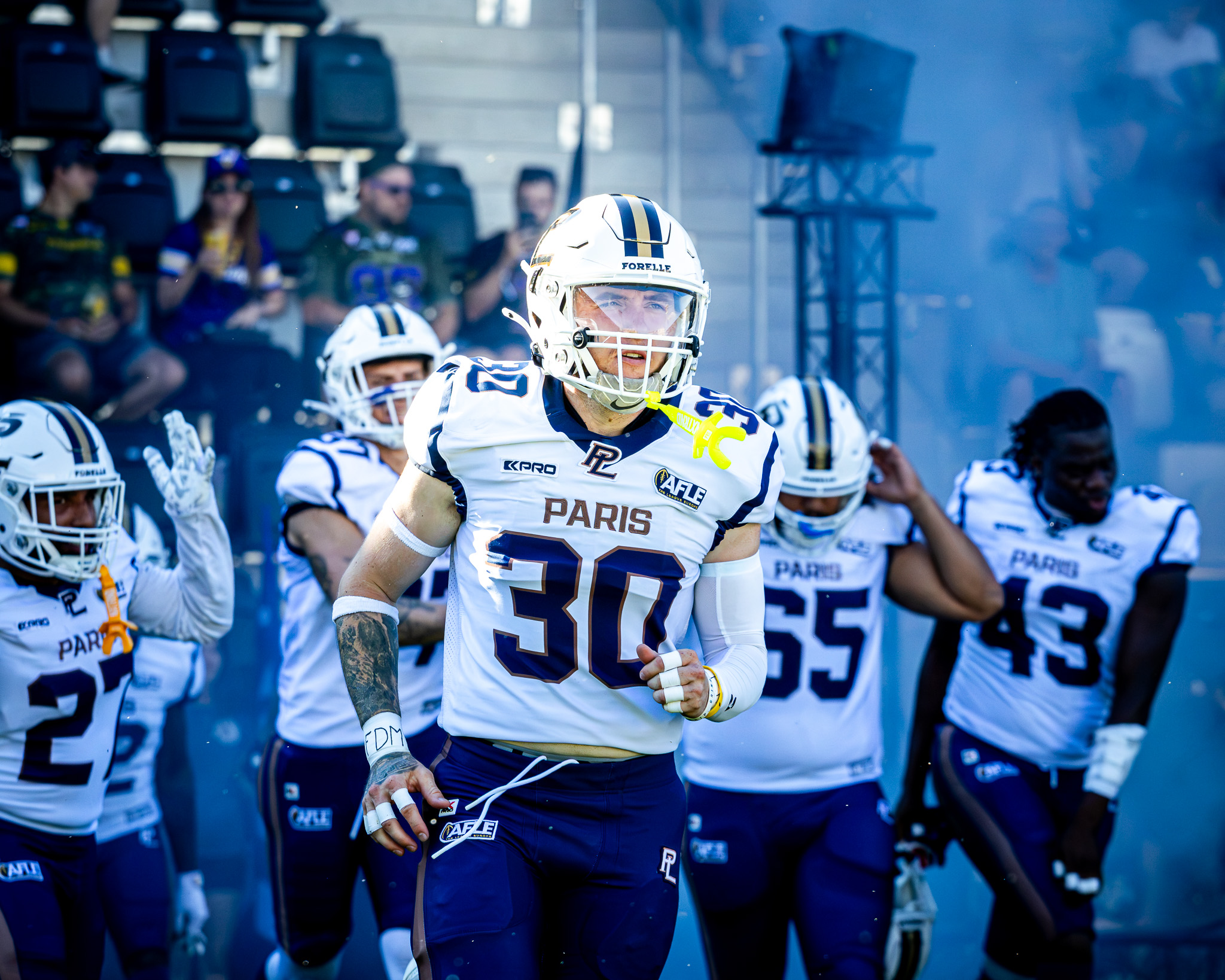
The American Football League Europe is launching in 2026 and bringing professional football to fans across the continent. There is nothing quite like watching all of this unfold in person. Follow the AFLE and find out when games are coming to a city near you.