

Joel Nagel
Building the American Football League Europe — “We all win together.”
A conversation with AFLE's founder and CEO on the vision behind the league, the opportunity for American football in Europe, and what success looks like in the league's first season.
By the Numbers
Background
A Pittsburgh football man, building in Europe.
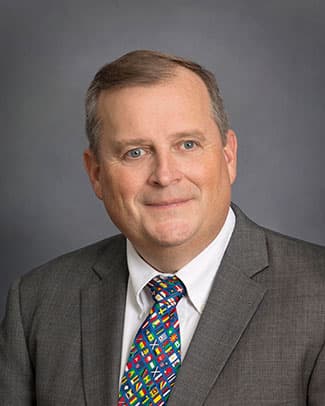
Joel Nagel is the founder and CEO of the American Football League Europe. His background is in law, business and international investment, working across a range of industries and markets over the years — a combination of business experience, long-term investment thinking and a deep belief in the potential of American football in Europe.
He comes from Pittsburgh, a football city, where the sport has always been part of his life. His involvement in Europe began with the Vienna Vikings, where he was invited to participate as an investor. Attending games and seeing the passion around the sport convinced him that American football in Europe had enormous potential — and could be built into something lasting.
Today his focus is making sure the league gets up and running the right way, and that the teams have the support they need to succeed — engaging fans, backing the clubs, and growing the commercial side so that growth strengthens the entire league.
The teams are the product people come to watch, and the league is here to support them. We all win together.
Vision & Mission
A European league with an American football product — built to last.
Support the Clubs
The league and the teams have a symbiotic relationship. Support is tailored to where each club is — from sales and marketing to operations and staffing — with the goal of making every team independent, professional and sustainable.
Develop European Talent
There is a lot of raw talent in Europe. AFLE aims to be part of the pathway — a higher-level professional environment for European players, raised by selected international talent. Bernhard Raimann's road from the Vikings to the NFL shows what is possible.
Engage the Fans
More than just a game — music, food, entertainment and a family-friendly atmosphere at an accessible price. A full day out, in the stadium, on television, and through AFLE+ worldwide.
Build Sustainably
Play all the games, build momentum, and come out of season one strong for year two. The players are taken care of first, then the teams. The investors are patient — that is the right order for building something that lasts.
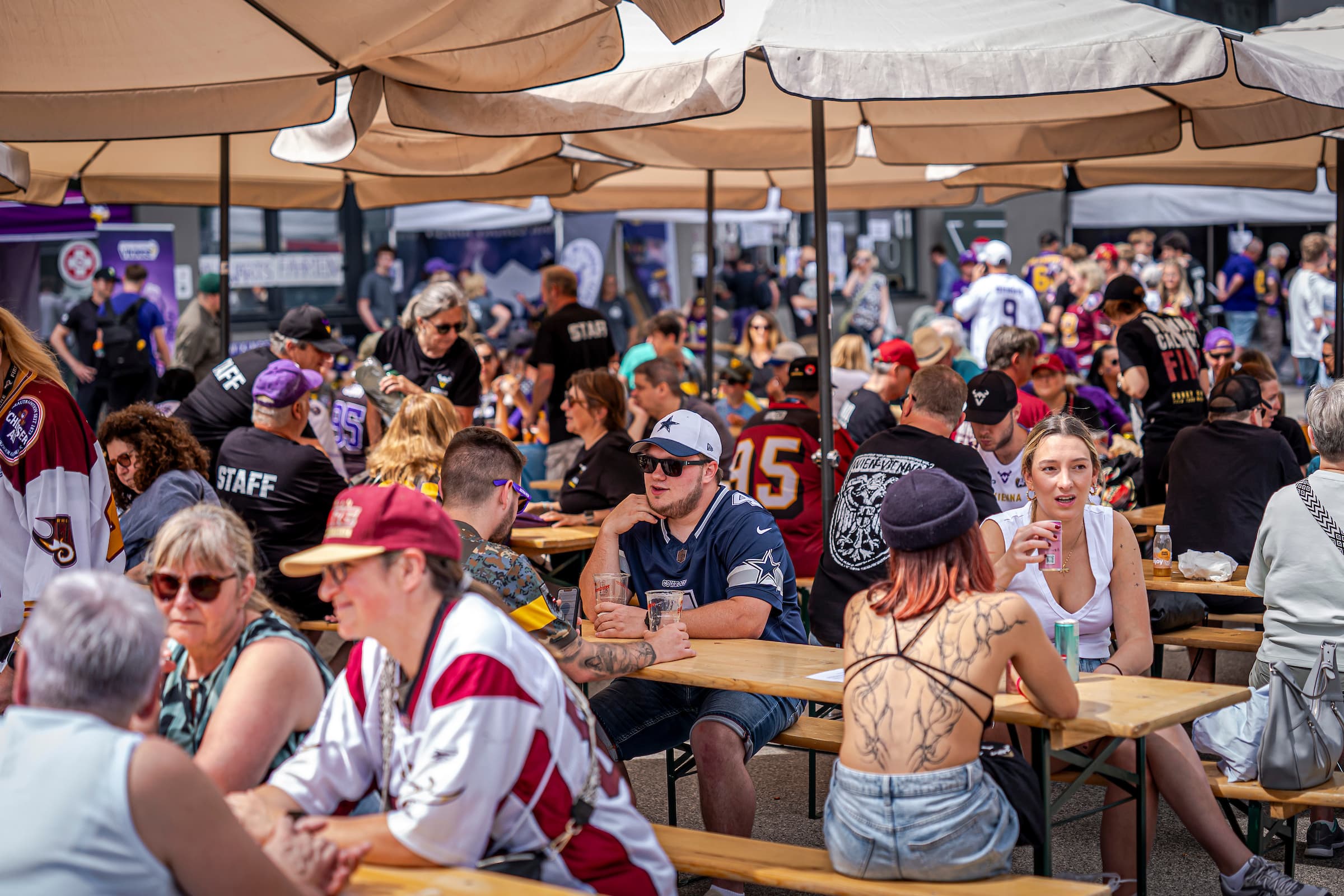
More than a game —
a full day out
Passionate fans, expats, international visitors and families — and a growing number of women in the stands. American football in Europe is inclusive by design, and AFLE wants every game to feel welcoming.
The Journey
Pittsburgh to the AFLE.
Football in the blood
Joel Nagel grows up in Pittsburgh — a football city — where the game is part of everyday life. A Steelers fan first, football has always been part of his background.
Law, business & international investment
A career spanning law, business and international investment across a range of industries and markets — the foundation for a long-term, investment-minded approach to building a league.
Investor with the Vienna Vikings
Invited to participate as an investor in the Vienna Vikings. Attending games and feeling the passion around the sport convinces him that American football in Europe has enormous potential.
Founds the American Football League Europe
Nagel creates AFLE around a sustainability-first model: healthy teams, a real pathway for European talent, and a fan experience built to last — where the success of the clubs drives the success of the league.
The inaugural season kicks off
Eight teams across six countries, broadcast agreements in a number of countries, and the launch of AFLE+, the league’s worldwide streaming platform, so fans everywhere can follow the game.
On Building AFLE: “We All Win Together”
AFLE founder and CEO Joel Nagel discusses the vision behind the league, the opportunity for American football in Europe, the importance of supporting clubs, and what success looks like in the league's first season.
As founder and CEO of the American Football League Europe, Joel Nagel sees AFLE as more than a new competition. For him, it is a long-term platform designed to support clubs, develop European talent, engage fans, and build a sustainable future for American football across the continent.
In this interview, Joel Nagel explains why AFLE was created, what makes the league model different, and how the league is working to grow the game in Europe.
Can you briefly introduce yourself and explain your role as founder and CEO of AFLE?
I am the founder and CEO of AFLE. My background is in law, business and international investment, and over the years I have worked across a number of industries and markets. What I bring to AFLE is that combination of business experience, long-term investment thinking and a deep belief in the potential of American football in Europe.
My role is to make sure the league gets up and running in the right way and that the teams have the support they need to succeed.
AFLE was created with the idea that a professional league has to work for everyone involved. The teams need to be strong. The players need to have opportunities. The fans need to have a great experience. Sponsors, broadcasters, and commercial partners need to see value as well.
The way I look at it, the league and the teams have a symbiotic relationship. The teams are the product people come to watch, and the league is here to support them, help them grow, and create the structure around them. We all win together.
Why did you feel there was a need for AFLE?
American football in Europe has been growing for years, but I felt there was a need for a model focused on long-term sustainability.
For a league to work, the teams have to be healthy. They need a structure that allows them to build, invest, attract fans, and develop players. That was one of the main reasons behind AFLE. We wanted to create a league where the success of its teams is central to its own success.
It is similar to any startup in that it takes hard work, investment, and patience. But we believe we have the right model: engage the fans, support the teams, grow the commercial side, and make sure that growth strengthens the entire league.
What does your day-to-day role involve?
A lot of my time is spent working with the teams and on the commercial side of the league. That means speaking with sponsors, advertisers, and broadcast partners, and helping build the platforms that allow more people to watch and follow AFLE.
We now have broadcast agreements in a number of countries, and we have also launched AFLE+, our worldwide streaming platform. The idea is that fans who cannot attend games in person can still watch from wherever they are.
There is a global audience for American football, and there is also a global audience with connections to Europe. Someone may be a Pittsburgh Steelers fan, for example, but they can also have a connection to Paris, Vienna, London, Berlin, or another European city. We want to give those fans another team and another league to follow.
My job is to help make the whole pot bigger for everyone.
What first inspired you to become involved in American football in Europe?
I come from Pittsburgh, which is a football city, so football has always been part of my background. My involvement in Europe began through the Vienna Vikings, where I was invited to participate as an investor.
Once I started attending games and seeing the passion around the sport, I became convinced that American football in Europe had enormous potential. The sport is still small compared with soccer, but the trajectory is very positive. The fan bases are growing, the quality of play is improving, and the atmosphere at many games is becoming something very special.
That combination — the passion, the growth, and the opportunity to build something lasting — is what really attracted me.
What is AFLE's long-term vision?
We are not trying to simply copy the NFL in Europe. AFLE is a European league with an American football product, and one of our biggest missions is to develop local talent.
In the United States, players develop through high school and college football. In Europe, that structure does not really exist in the same way. AFLE can help become part of that pathway. We want to provide European players with a higher-level professional environment while also bringing in selected American and international players to raise the level of competition.
The long-term goal is for AFLE to be the top level of professional American football in Europe. If some of our best players eventually reach the NFL, that is a good thing. It means we are doing something right for the sport and for the players.
At the same time, we want to build a great product here in Europe, one that fans enjoy, families can attend, and communities can support.
How do you see AFLE developing European talent?
There is a lot of raw talent here. The challenge is creating the structure to identify it, develop it, and give it a stage. Some clubs already show what is possible when strong football infrastructure is in place. London, Vienna, and Paris are good examples of markets with serious development systems and a proven history of producing players. But we want that model to grow across Europe.
Bernhard Raimann is a powerful example of what this pathway can look like. He began playing American football with the Vienna Vikings as a teenager and came through the Vikings Football Academy, a program designed to combine serious athletic development with education. From there, he went on to play college football in the United States before being drafted by the Indianapolis Colts in the third round of the 2022 NFL Draft.
For us, that is a major example of what European football can produce when young athletes are given the right structure, coaching and opportunity. Raimann's journey shows that talent developed in Europe can reach the very highest level of the sport. That is exactly the kind of pathway AFLE wants to help strengthen.
How important is AFLE's role in creating opportunities for young people?
This is one of the parts of the project that means the most to me. AFLE is not only about the players who are already on the professional field. It is also about what the league can represent for young people who are discovering the sport and looking for a pathway.
American football can give young athletes structure, discipline, coaching, mentorship and a sense of belonging. In some cases, it can also create opportunities that go far beyond sport. That is especially important for young people who may not otherwise have access to these kinds of platforms.
I saw that personally in London, when a young player came up to me and thanked me for what the league is doing and for the opportunity it creates for young people. Moments like that remind you that this is bigger than a league table or a single season. If AFLE can help clubs build stronger youth pathways, support local talent and give young people something positive to be part of, then that is a very important part of our mission.
The London example is especially relevant because the Warriors are connected to one of the strongest development traditions in British American football. Tony Allen has worked for decades in coaching and player development, and the NFL Academy in London was created to combine elite football training with academic achievement and personal development. That kind of model shows how football can open doors for young athletes both on and off the field.
What makes the AFLE game-day experience different?
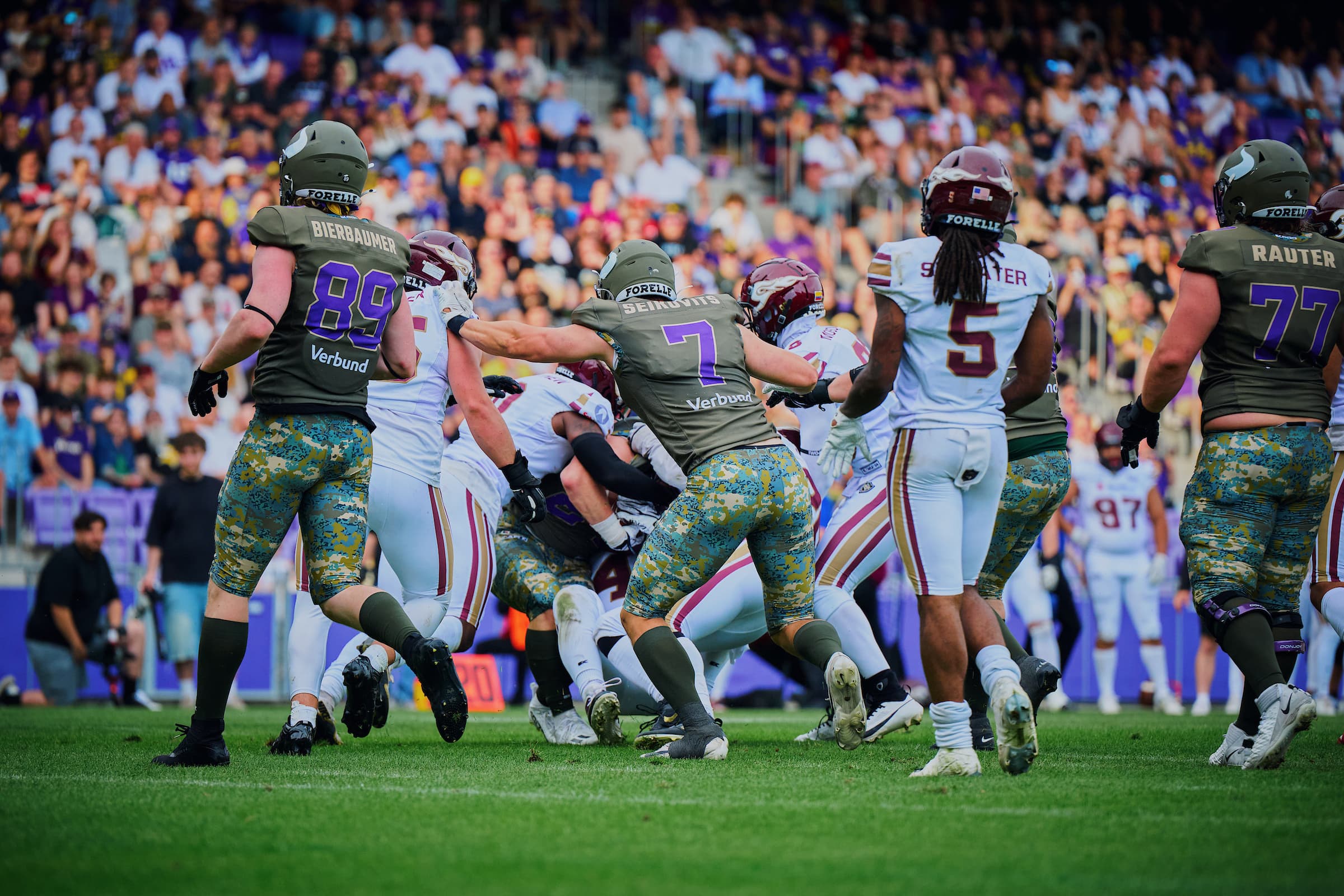
We want it to be more than just a game. American football has always had a strong entertainment element, and we want to bring that experience to Europe in an authentic way.
That means music, food, entertainment, community activities, and a family-friendly atmosphere around the game itself. For many fans, especially families, attending an AFLE game can be a full day out, not just a sporting event.
The price point is also important. In many places, a family can attend an AFLE game at a cost that is much more accessible than many major sporting events. That gives us an opportunity to become part of the local entertainment landscape, not only the sports landscape.
What kind of fans do you see AFLE attracting?
American football in Europe has a broad appeal. We see passionate football fans, American expats, international visitors, families, and people who are simply looking for a different kind of sporting experience.
One thing that is especially encouraging is the number of women attending games. We are seeing strong female attendance, which says a lot about the atmosphere around the sport and the kind of fan experience teams are creating.
American football can be very inclusive. It appeals to people of different ages, backgrounds, and types of fans. It is also a sport with many different roles and body types on the field, which sets it apart from many others.
We want AFLE games to be places where fans feel welcome, where families feel comfortable, and where people can enjoy both the sport and the entertainment around it.
What kind of team owners and partners are you looking to bring into the league?
A successful team needs both football knowledge and business strength.
You need people who understand what happens between the lines: talent, coaching, player development, and the quality of the team on the field. But you also need people who understand what happens outside the lines: ticketing, sponsorship, marketing, operations, administration, and community building.
Some teams already have very strong ownership groups and long histories. Others need more support as they grow. The league's job is to help each team based on where it is. In some cases, that means helping with sales and marketing. In others, it may mean operational support or helping recruit the right people.
It is like building multiple startups at once. Each team has its own needs, but they all benefit from a strong league structure.
How does AFLE support its clubs?
Every team is in a different position, so the support has to be tailored.
For established clubs, the focus may be on integrating into the league structure, following league rules and policies, and aligning with the broader commercial strategy. For newer teams, there may be more hands-on support around operations, sales, marketing, staffing, and administration.
The goal is not for the league to run the teams forever. The goal is to help teams become independent, professional, and sustainable. In the first year, some teams may need more support. By the second year, the hope is that they are increasingly able to stand on their own.
How do you think about expansion?
There is already significant interest from groups that want to join AFLE, but expansion has to be handled carefully.
It is not only about finding a city that wants a team. You need to consider the strength of the local player pool, the business side, ownership, stadium access, travel, logistics, and the ability to build a fan base.
We want to grow, but we want to grow in a way that strengthens the league rather than stretches it too far too quickly.
What role do cities and communities play in the league?
They play a very important role. Each market is different, and the relationship with local communities and municipalities matters.
In many cases, AFLE teams are using stadiums that are primarily used for soccer, often during a period when there is less soccer activity. That can create a good opportunity for stadium owners and local communities. We bring another sport, another fan base, and another event experience into the city.
The key is to be a good corporate citizen. If the fans have a good experience, the stadium operators are happy, the local community benefits, and the teams behave professionally, then we can build positive long-term relationships.
What would be a sign of success after the first season?
The first goal is simple: play all the games, build momentum, and come out of the season in a strong position for year two.
Of course, we want good football, strong fan engagement, commercial growth, and a positive experience for players and teams. We also want to keep building relationships with sponsors, broadcasters, and communities.
In the first year of any league, you are still building. So success means getting through the season professionally, learning quickly, solving problems, and creating a foundation that allows the league and the teams to be stronger the following year.
The players are the first people who need to be taken care of. Then the teams. The investors are patient. That is the right order if you are trying to build something sustainable.
What message would you like to send to the fans?
This league is being built for the fans as much as for anyone else.
The players are excited to play. The teams are working hard to build something meaningful in their communities. And the league is focused on creating a product that people can enjoy in the stadium, on television, and through streaming.
If we engage the fans and keep them excited, everything else can grow from there. The sponsors, broadcasters, and partners will follow if the fans are there.
We want people to come out, watch the games, support their local teams, and be part of building American football in Europe from the ground up.
How a Steelers Fan Became an Owner of the Vienna Vikings ↗
The personal story behind Joel Nagel's road into European American football.
About Joel Nagel ↗
Background in law, business and international investment.
Press & Media
For interviews with Joel Nagel or league communications, reach the right team directly — requests are routed quickly and transparently.